November is Native American Heritage Month. To celebrate, we are uplifting the wisdom and work of Native American women, stewards and leaders from our earliest history to now. Read on to learn about 20 women whose leadership, innovation and creativity have made and continue to make vast contributions to our history.
We use the term “women” in this blog to honor the long-standing leadership of Indigenous women, and we also acknowledge and celebrate the leadership and identities of Two-Spirit, nonbinary, trans, and gender nonconforming Indigenous people whose contributions shape our communities and future.
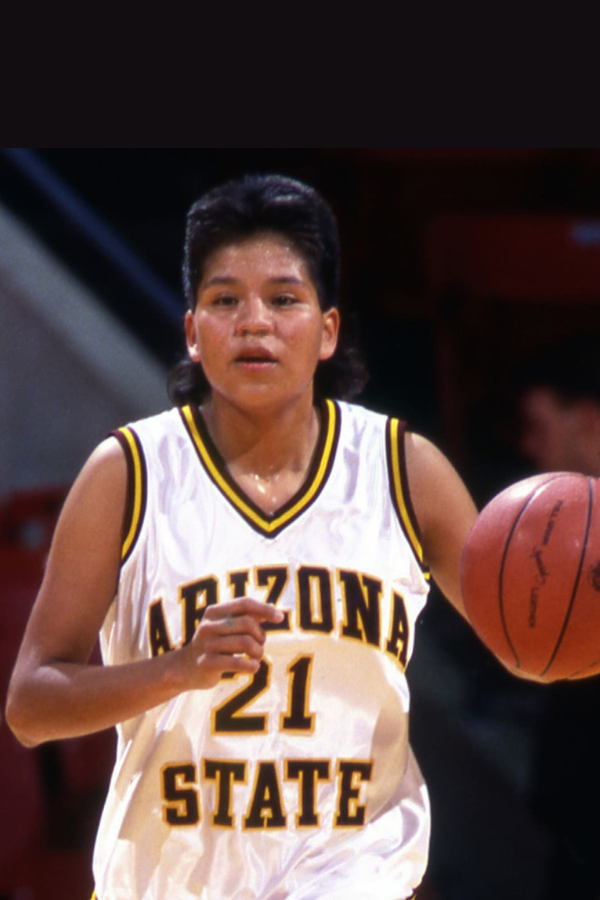
Ryneldi Becenti
Ryneldi Becenti was the first Native American to play in the WNBA. Before playing for the Phoenix Mercury in 1997, she had successful seasons in Sweden, Greece and Turkey.
She was a two-time National Junior College Athletic Association All-American and was the country’s top junior college point guard during the 1990-1991 season. In 1996, she became the first and only woman to be inducted into the Native American Hall of Fame. In 2013, she was the first women’s basketball player to have her jersey (No. 21) retired by Arizona State University.
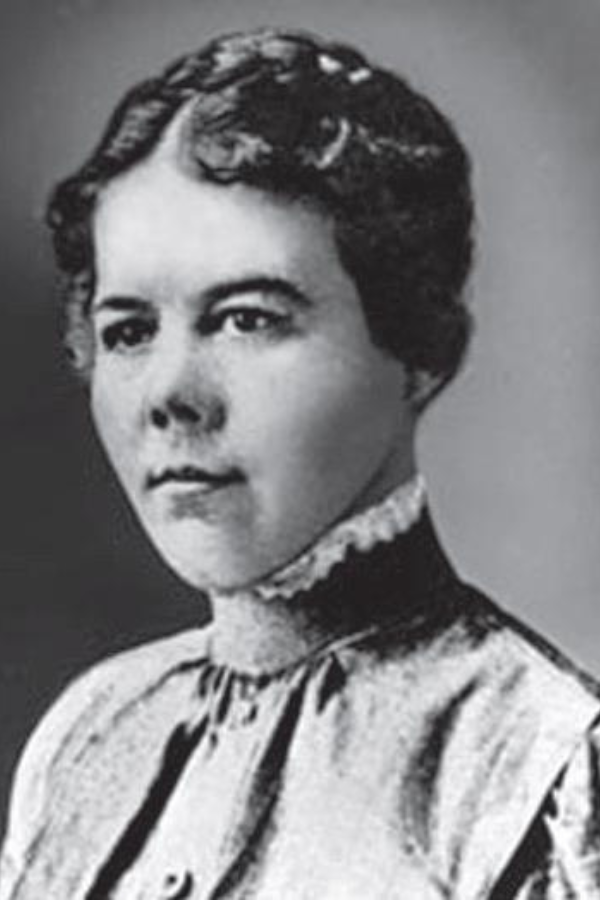
Lyda Conley
Lyda Conley was a Wyandot-American lawyer of Native American and European descent, the first woman admitted to the Kansas Bar Association. She was notable for her campaign to prevent the sale and development of the Huron Cemetery in Kansas City, now known as the Wyandot National Burying Ground.
She challenged the government in court, and in 1909 she was the first Native American woman admitted to argue a case before the Supreme Court of the United States. Her case appears to be the first in which a plaintiff argued that the burying grounds of Native Americans were entitled to federal protection.
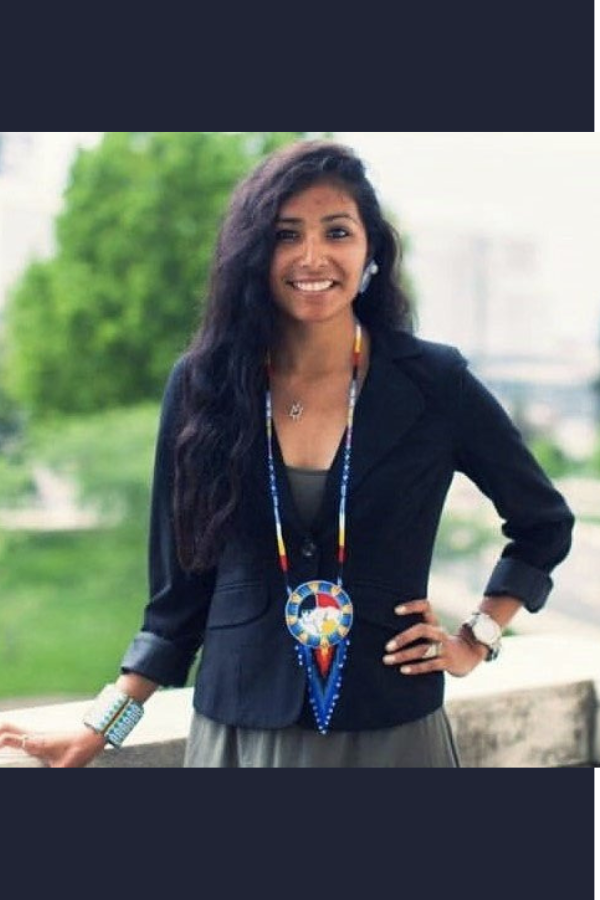
Jordan Marie Daniel
Jordan Marie Brings Three White Horses Daniel is the founder of Rising Hearts Coalition — an Indigenous-led grassroots group that works to uplift and defend Indigenous rights around the country.
She has also worked as the Indian affairs liaison to Maine Congresswoman Chellie Pingree. Jordan has contributed significantly to language revitalization, social and economic development and suicide prevention for over 180 tribes across Indian country.
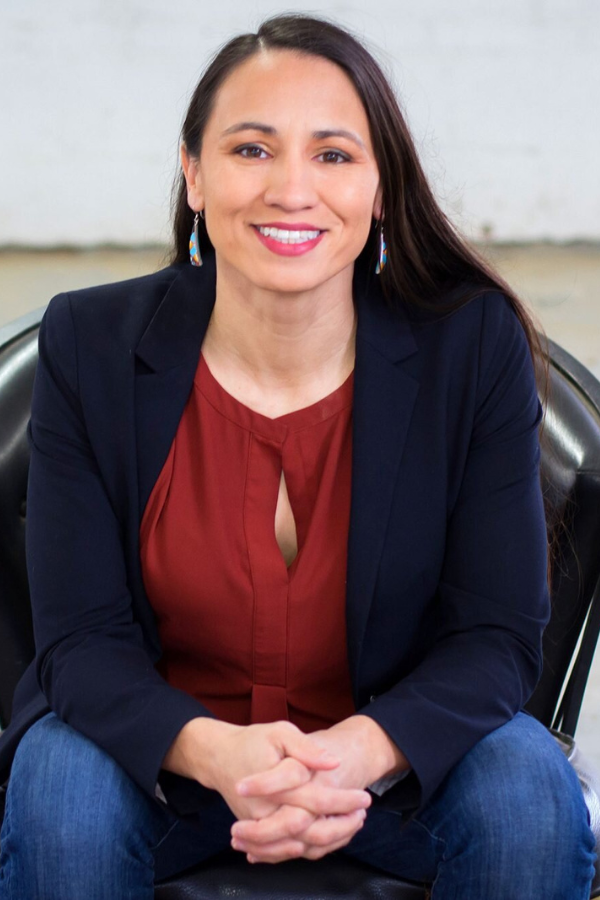
Sharice Davids
Sharice Davids serves as Kansas’ Third Congressional District in Congress. In 2018, Sharice Davids became one of the first two Native American women elected to Congress, along with Deb Haaland of New Mexico.
The former mixed martial arts fighter is also the first openly LGBTQ member of Congress from Kansas. Sharice has worked toward economic and community development on Native American reservations, creating and implementing programs and growth initiatives. She also served under President Barack Obama in the White House Fellowship program.
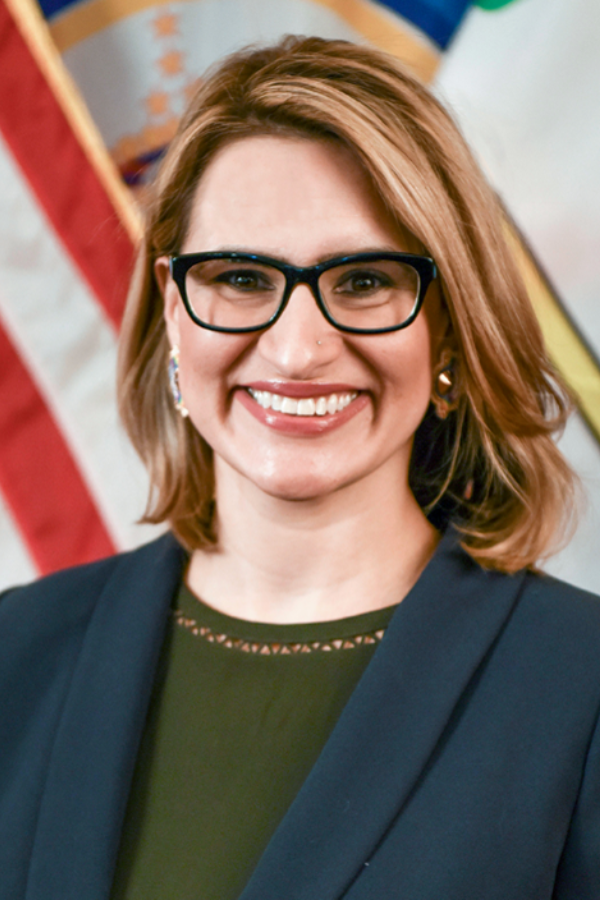
Peggy Flanagan
Peggy Flanagan is a mom, activist and one of the highest-ranking Native American women in U.S. history, serving as the 50th lieutenant governor of the State of Minnesota.
Her career has consistently centered on advocacy for children, families and community, from her time on the Minneapolis Board of Education to training leaders and community organizing at Wellstone Action to leading the Children’s Defense Fund in Minnesota as executive director.
Before being elected as lieutenant governor, she was elected to the Minnesota House of Representatives. Lieutenant Governor Flanagan became the first Native American woman elected to statewide office in Minnesota as well as the second Native American woman, after Denise Juneau, elected to statewide office in the United States.
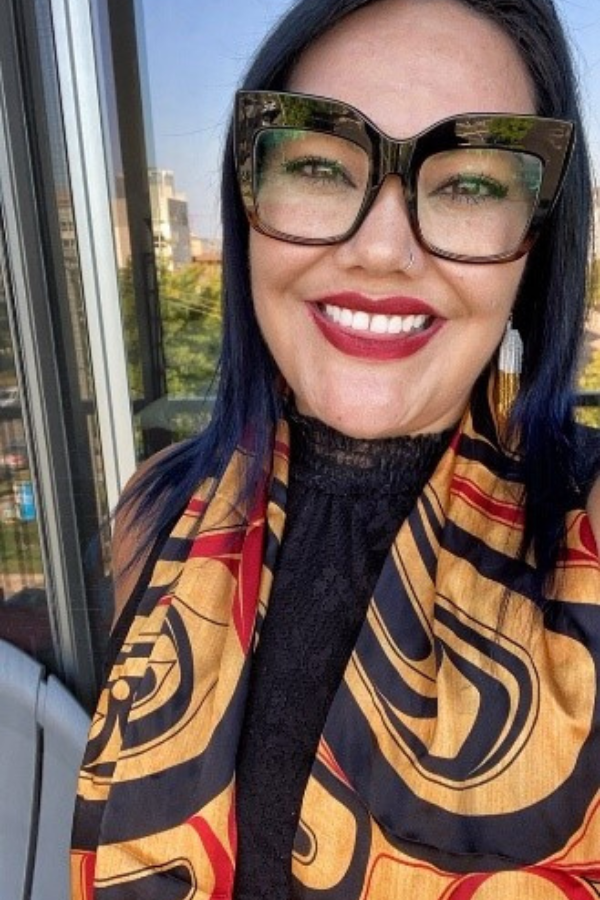
Ravyn Gibbs
Ravyn Gibbs is an Anishinaabe woman, social worker and advocate from Duluth. She works at the intersections of Indigenous sovereignty, racial justice, gender equity and public health. Her educational background is in social work and public health, and she has worked with the American Indian Cancer Foundation, the University of Minnesota School of Public Health and the U.S. Senate Committee on Indian Affairs as a Udall Foundation Native American Congressional Fellow.
She is also an avid participant in music, arts and the outdoors in Minnesota and beyond. Ravyn currently serves as Tribal Relations Director for the Minnesota Department of Health.

Nicolle Gonzales
Navajo nurse and midwife Nicolle Gonzales founded the first Native American-led birth organization, The Changing Women Initiative, in Santa Fe, New Mexico, which supports Native American mothers to have access to cultural and health services during pregnancy and birth. Its mission is to renew cultural birth knowledge, promote reproductive wellness, healing through holistic approaches and to strengthen women’s bonds to family and community.
Gonzales works to decolonize Indigenous women’s birth experiences and help lower the high rates of Indigenous women birth mortality in the United States. The organization is the only one of its kind so far in the United States.
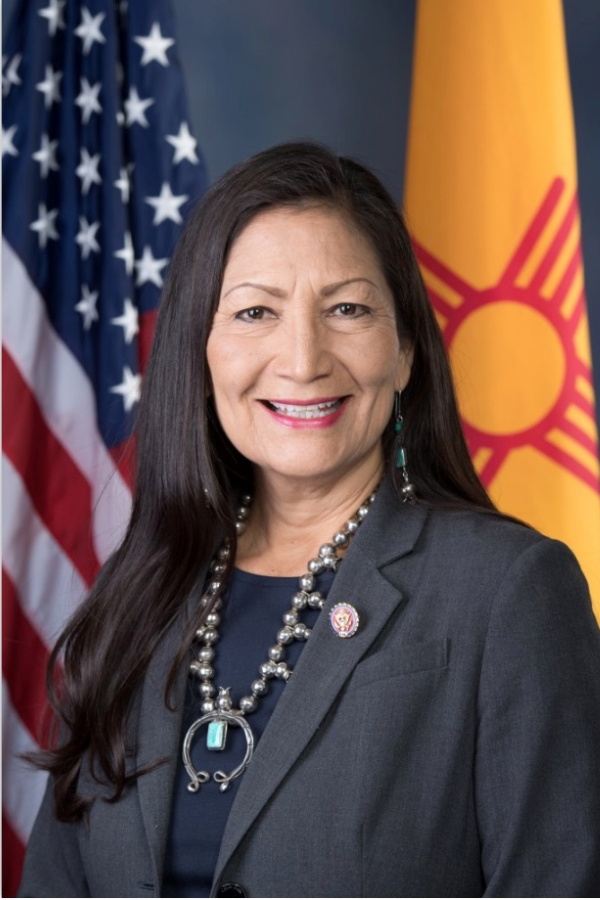
Deb Haaland
Former Congresswoman Deb Haaland is a 35th generation New Mexican who is an enrolled member of the Pueblo of Laguna and also has Jemez Pueblo heritage. After running for New Mexico lieutenant governor in 2014, Haaland became the first Native American woman to be elected to lead a state party. It was during this time that she went to Standing Rock to support the tribe when they decided to fight the construction of the Dakota Access Pipeline through their treaty lands.
In the House of Representatives, she held several leadership roles and was vice-chair of the Committee on Natural Resources, chair of Subcommittee on National Parks, Forests, and Public Lands, and a member of the House Armed Services Committee. She championed Native causes, fighting for the environment and sacred sites.
In 2021, Haaland became the first Native American to serve as a U.S. cabinet secretary. Her appointment ended 245 years of U.S. history in which agencies that governed Indigenous people lacked Indigenous representation. As Secretary of the Interior, she strengthened Tribal sovereignty. She launched the first Federal Indian Boarding School Initiative, which documented widespread abuses and the generational trauma caused by federal assimilation policies. Her leadership marked a historic shift toward truth-telling, accountability and Indigenous-led stewardship of land and culture.
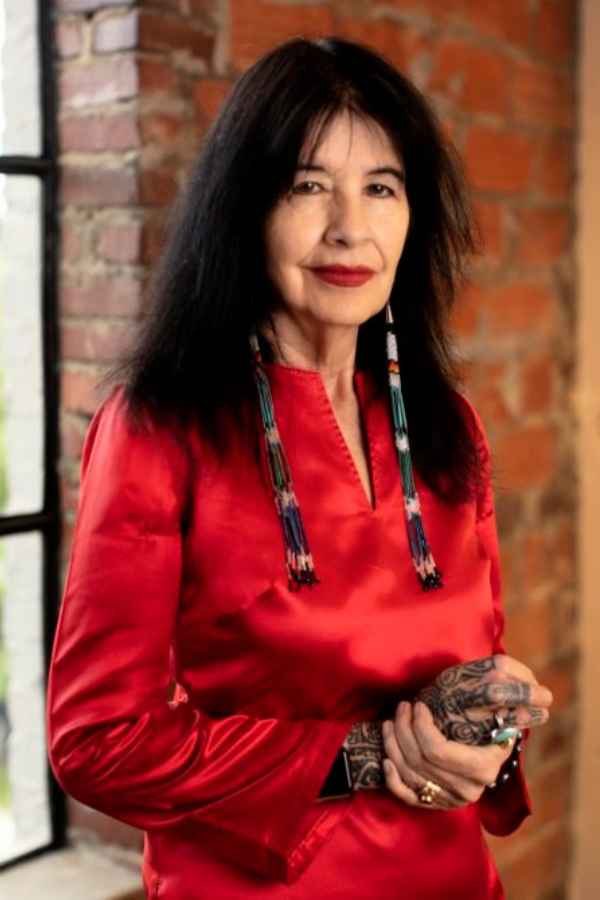
Joy Harjo
Joy Harjo, Muscogee Creek, was tapped by the Library of Congress to serve a second term as U.S. poet laureate. She said the appointment is an honor, “especially during these times of earth transformation and cultural change.”
During the coronavirus pandemic, Harjo’s work was featured in “The Poetry of Home,” a video series from The Washington Post and the Library of Congress, which featured four U.S. poet laureates on the theme of “home” at a time when many people were sheltering in place. Harjo was first appointed in 2019, becoming the first Native American to hold the position. She served as the nation’s 23rd poet laureate consultant in poetry for 2020-2021.
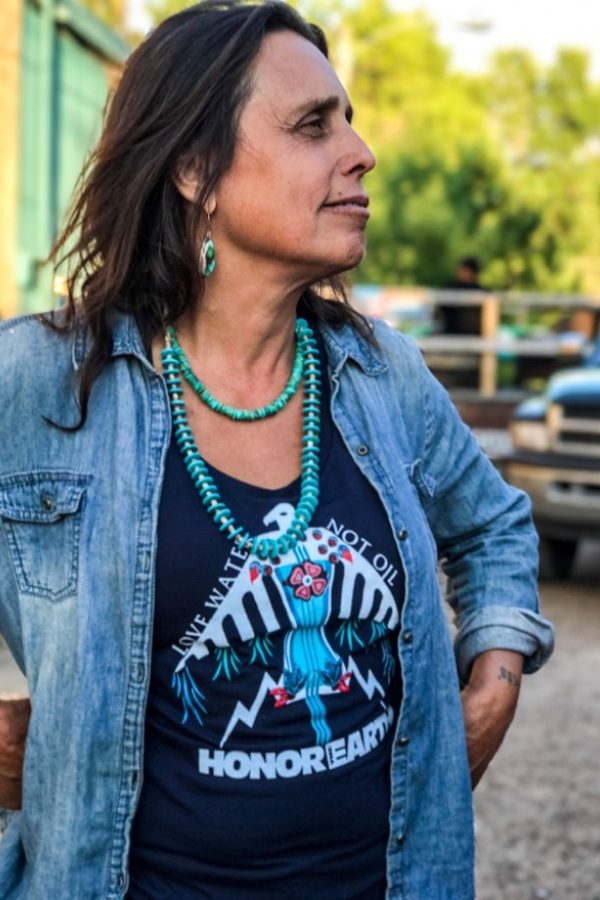
Winona LaDuke
Winona LaDuke is a Native American writer, economist, environmentalist, public speaker and industrial hemp grower. She was born on August 18, 1959, in Los Angeles, California, to a Jewish mother from the Bronx and a Native father from Ojibwe White Earth Reservation in Minnesota.
LaDuke helped found the Indigenous Women’s Network, a nonprofit that provides a platform for Indigenous women of the Western Hemisphere, focusing on empowering them to have sovereignty over themselves and their environment. She also worked with Women of All Red Nations to expose the forced sterilization of Native American Women.
In 1996 and 2000, LaDuke ran as a vice president on the Green Party ticket. In 2016, she became the first Indigenous woman to receive an electoral college vote for vice president.
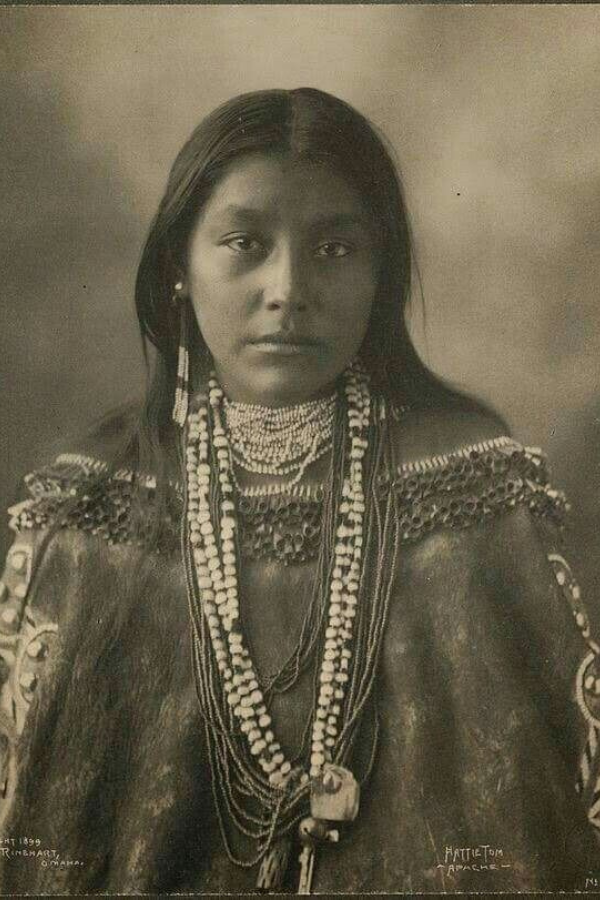
Lozen
To some, she is the “Apache Joan of Arc.” You’ve likely heard of Geronimo, but you’ve probably never heard of Lozen (meaning “Dexterous Horse Thief”), a medicine woman, prophetess, midwife and two-spirit warrior, who fought by his side with her brother, Victorio.
She could ride and shoot and was a brilliant military strategist who seemed to be able to predict the enemy’s movements — skills that became invaluable once the U.S. government began encroaching on Apache lands. She fought alongside Geronimo for six years until she was imprisoned at a military arsenal in Alabama, where she died of tuberculosis and was buried in an unmarked grave.
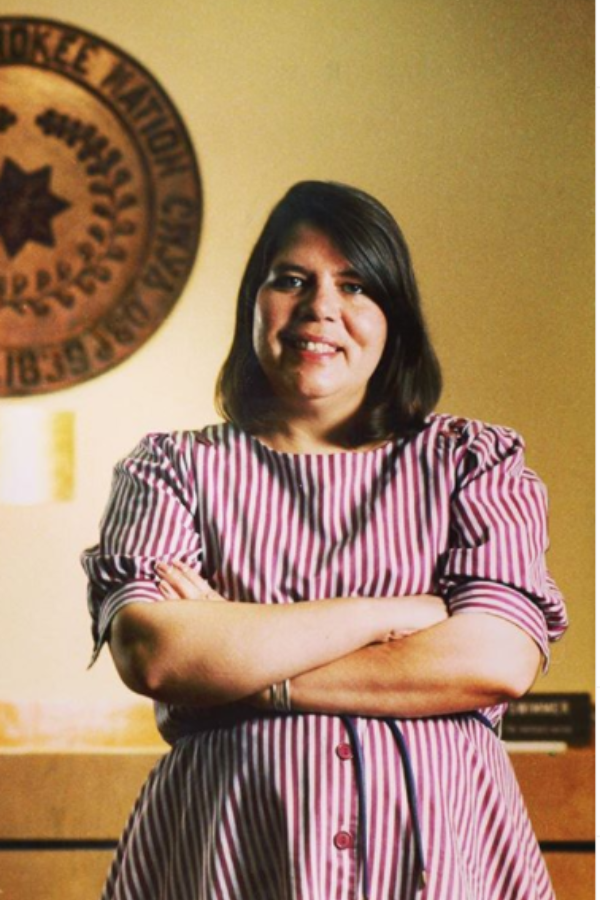
Wilma Mankiller
In 1985, Wilma Mankiller became the first female principal chief of the Cherokee Nation. During her tenure as Chief of the Cherokee Nation, Mankiller established a job center, expanded the number of tribal health clinics, attracted businesses to the Cherokee jurisdiction and introduced summer programs for young people, as well as adult literacy programs.
President Bill Clinton appointed her to be an adviser to the federal government on tribal affairs. Later, Clinton would grant her the 1998 Presidential Medal of Freedom.
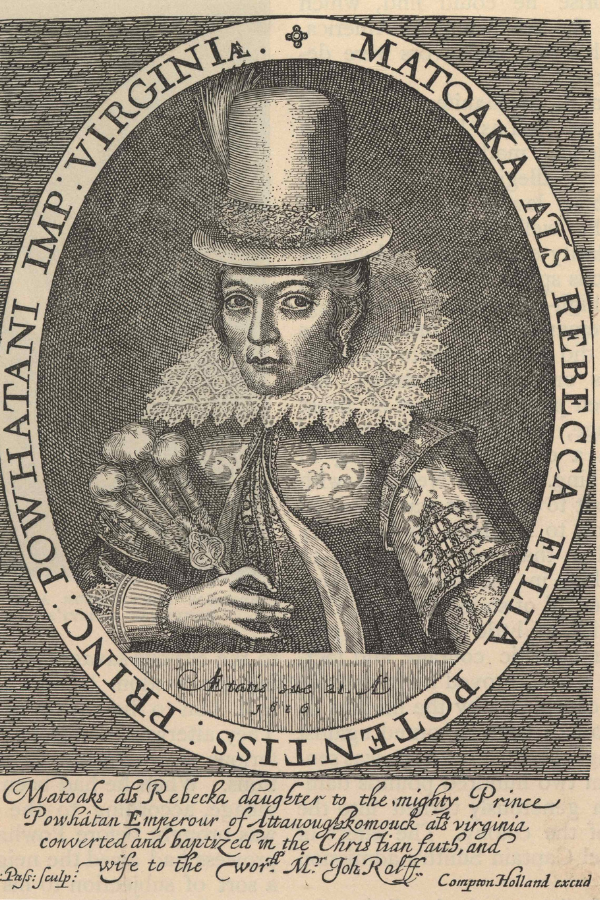
Amonute “Pocahontas” Matoaka
The historical figure we know by her nickname “Pocahontas” (playful one) was named Amonute and went by the name Matoaka. She was born around 1595 and was the daughter of Chief Powhatan, the leader of the Powhatan tribal nation of 30 Algonquin communities.
In 1607, English people arrived on Powhatan land. Matoaka was a liaison and communicator at a time of violence from English colonizers. In 1608, she helped successfully negotiate the release of Powhatan prisoners. After marrying Kocoum in 1610, Matoaka was kidnapped during a war between the Powhatan people and the English.
While in captivity, she learned English and is believed to be the first Powhatan Native woman to convert to Christianity. Four years later, she married John Rolfe, a relationship that also strategically contributed to peace between the Powhatan and English people.
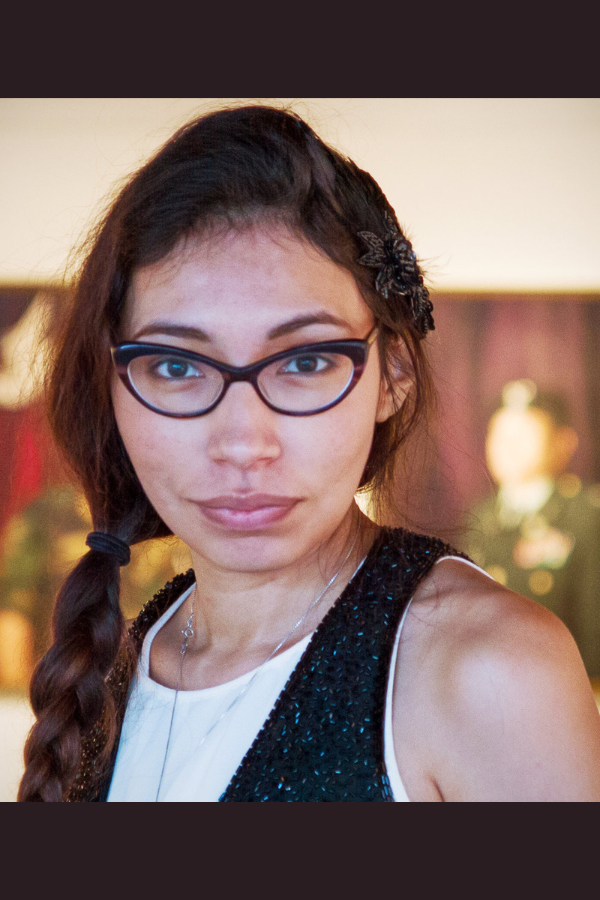
Marlena Myles
Marlena Myles is based in St. Paul and has gained recognition as being one of the few Dakota women creating digital art based on Indigenous history, languages and oral traditions. Her art includes fabric patterns, animations and illustrations, and she incorporates Minnesota’s Indigenous history and background.
She often shares resources for those willing to learn and experience parts of the Dakota culture. She co-created Dakota language curriculum and has multiple public art installations in Minnesota. Her website has many of her works.
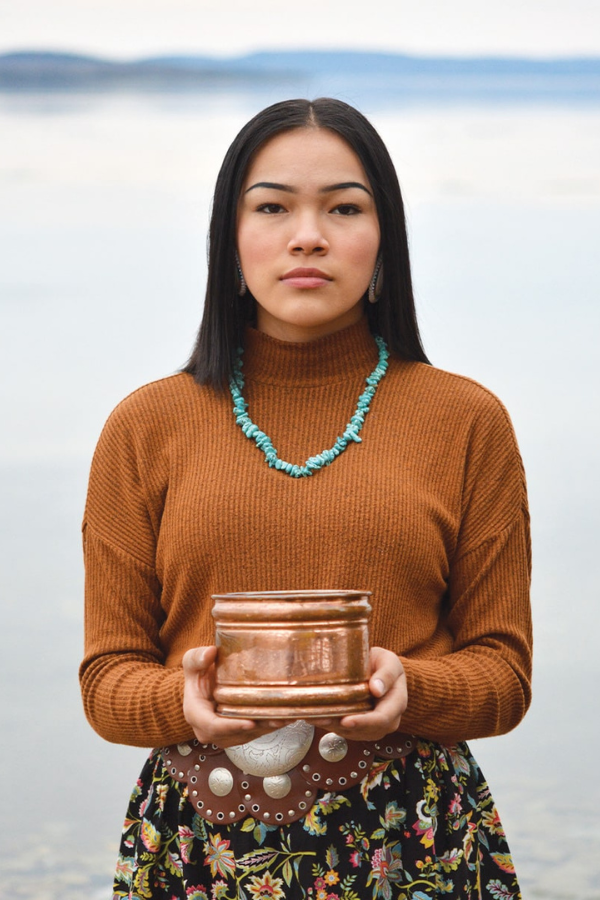
Autumn Peltier
Autumn Peltier, Anishinaabe-kwe of the Wikwemikong First Nation in northern Ontario, Canada, is an internationally recognized water protector who has been named a “water warrior” since she first addressed world leaders at the UN General Assembly in 2018 at just thirteen years old.
She works to raise awareness to Canadian Prime Minister Justin Trudeau and the United Nations about hundreds of unsafe drinking water issues of First Nations people. Peltier encourages youth around the world to protect Mother Earth and sacred, living water to ensure humanity’s survival. Peltier has been nominated for the International Children’s Peace Prize three years in a row.
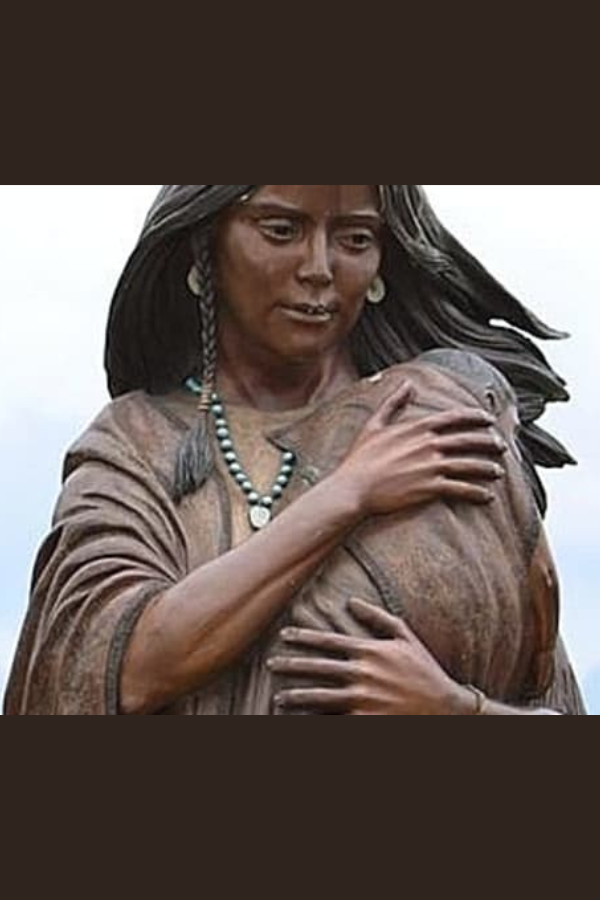
Sacagawea
Sacagawea is a Lemhi Shoshone Native American explorer born circa 1788, and the daughter of a Shoshone chief. At around age 12 she was captured and sold to a French Canadian trapper who bought her and forced her into a non-consensual marriage.
At around 16 years of age, she had joined the Lewis and Clark Expedition as a Shoshone interpreter. She played a significant role in achieving the expedition’s objectives in the Louisiana Territories. She was credited with facilitating contacts with the Native populations. In recent times, a monument has been erected in her honor, and a gold dollar coin featuring her likeness has been issued.
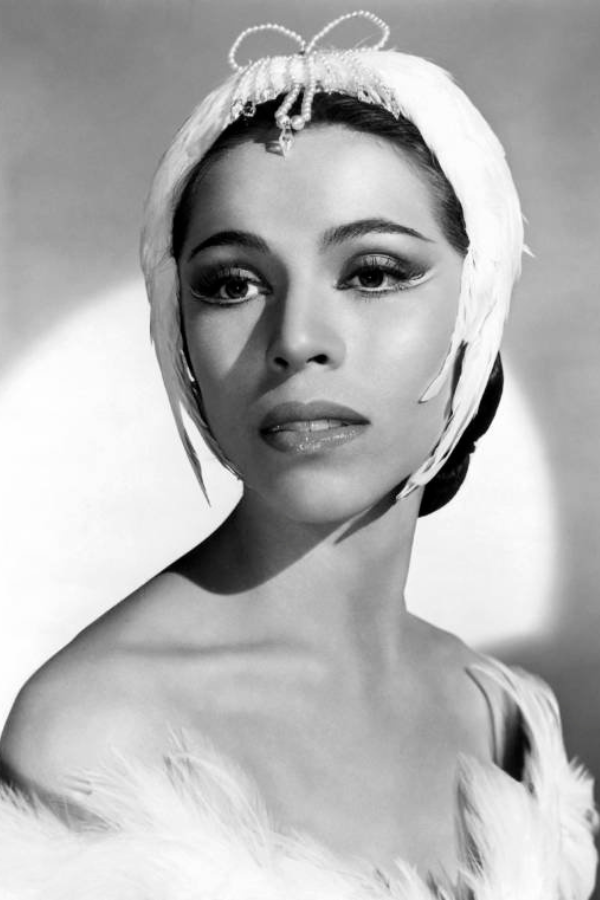
Maria Tallchief
Maria Tallchief was born on January 24, 1925, in Fairfax, Oklahoma, to a father who was a member of the Osega Nation. Her family relocated to California during her childhood to nurture and advance her and her younger sister’s dance ambitions, providing them with better opportunities.
At 17, she relocated to New York City in hopes of joining a major ballet company. She was the first American to perform in Moscow’s Bolshoi Theatre. She is considered the first American prima ballerina and is believed to have revolutionized the art of ballet.
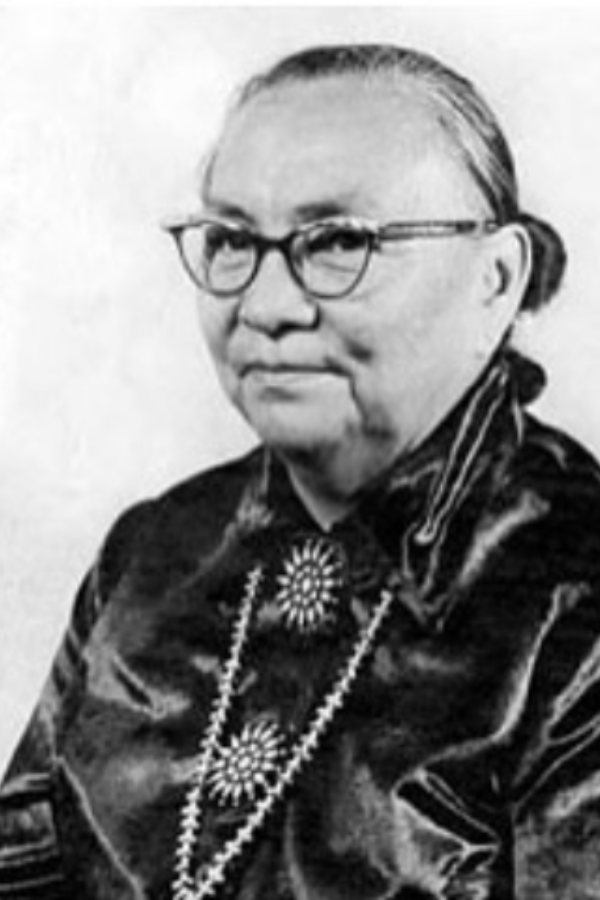
Annie Dodge Wauneka
Annie Dodge Wauneka was an influential member of the Navajo Nation as a member of the Navajo Nation Council. As a member and three-term head of the council’s Health and Welfare Committee, she worked to improve the health and education of the Navajo.
Wauneka is widely recognized for her numerous efforts to improve health in the Navajo Nation, with a primary focus on eradicating tuberculosis within her nation. She also authored a dictionary, in which she translated English medical terms into the Navajo language. She even hosted a biweekly radio show in Navajo to promote modern health practices.
In 1963, Wauneka became the first Native American to receive the Presidential Medal of Freedom.

Lini Wilkins
“We are all striving, praying, desiring the same things – that is hózhǫ́ – (love, beauty, balance, joy, kinship) in the midst of our differences.” – Lini Wilkins
Lini Wilkins is a Twin Cities poet, actor and grandmother. Lini grew up on the Dine (Navajo) reservation in Arizona, an hour north of the Grand Canyon. As a child, she accompanied her grandmother, a medicine woman, on her forays to collect medicinal herbs for ceremonies.
At an early age, Lini was mandated to attend boarding School by the Bureau of Indian Affairs. Lini has used the traumas she experienced as a child in boarding schools and observed throughout her life, and has transformed them into beautiful words and a relationship with her daughter.
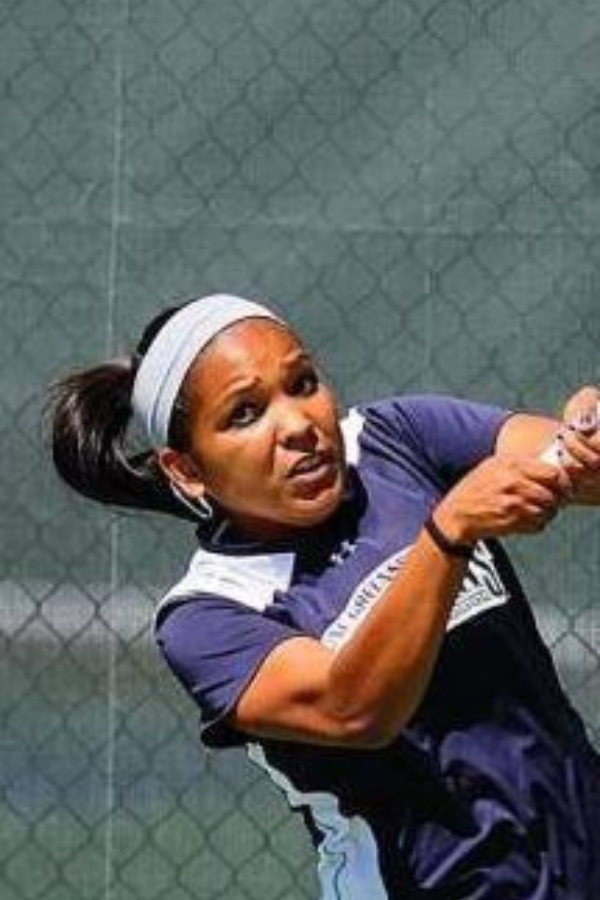
Niltooli Wilkins
After growing up in many different states across the U.S., Niltooli and her family settled in the Twin Cities. Her father is an author and professor of Native American Studies and Political Science and her mom, Lini, grew up on the Navajo reservation in Tuba City, Arizona.
Lini is one of ten siblings; only two no longer live on the reservation. Tooli fell in love with tennis at the age of eight, finding it a constructive outlet for releasing anger, frustration, and pain through this little yellow ball. Tennis is a predominantly white, wealthy sport, so Tooli was around many white, affluent kids.
Upon completing high school, Tooli earned a full scholarship to play Division 1 college tennis and became a teaching professional.
Native women and gender noncomforming leaders have always shaped Indigenous communities and continue to lead movements in environmental stewardship, reproductive justice, cultural revival, political leadership and creative resistance. Learn more about Native American Heritage Month.