Sex education is about more than anatomy—it’s about equipping young people with the tools to make safe, confident, and consensual choices about their bodies, relationships and futures.
Here’s what the research shows: comprehensive sex education does not make teens more likely to have sex.
This summer, 14 incredible teens—rising 8th through 11th graders—stepped into leadership in a big way. They became trained peer sex educators, ready to spark change in their schools and communities. Their mission? To build confidence, spread knowledge and help their peers make healthier choices as they navigate high school and beyond.
A Summer Camp With Purpose
This year marked the very first Sexual Health Peer Educator Camp hosted by Contact Plus. The free, four-week program met every Tuesday and Thursday from 10 am to 3 pm at YWCA Midtown, offering youth both structure and purpose during the summer.
More than just lessons, the camp created a safe, judgment-free space where teens not only explored important sexual health topics, but also went on field trips, heard directly from experts in the field, and engaged in interactive games and activities that made learning both fun and meaningful.
Camp graduates received a stipend, affirming both their commitment and the value of their leadership development.
Together, they dove into a powerful curriculum covering various topics such as:
Mental health and wellbeing
Consent and communication
Healthy relationships
Gender identity and sexual orientation
Sexual development from infancy through adolescence
and more
The camp wasn’t just about learning facts—it was about finding voice. Youth left empowered to talk openly with their peers and to serve as role models for younger students who look up to them.
“Young people often go to each other first before an adult or a teacher. Independence and close friendships are so important at this age,” said Syd, Contact Plus coordinator “That’s why preparing youth as peer educators matters—teens are more likely to listen to each other than to adults.”
Gaps in Sex Education: Who Really Gets Left Behind
Here's the hard truth: access to comprehensive sex education isn’t equal. Many young people—especially BIPOC youth, LGBTQ+ youth, and those from low-income or child welfare backgrounds are left without the knowledge they need.
The numbers are alarming:
Only 49% of youth in the child welfare system receive any formal sex education, and less than half learn about contraception or condoms.
58% of youth with a history of pregnancy reported having no sex education at all¹.
Nationally, only about half of adolescents receive sex education that meets federal standards. Young men of color are less likely than their white peers to be taught essential topics, and Black girls are less likely than white girls to learn where to access birth control².
In Minnesota, schools aren’t required to provide medically accurate sex education, leaving many students without reliable information³.
These gaps aren’t just statistics—they represent real young people growing up without the tools to make safe, informed decisions.
“Abstinence-only sex education can be harmful for a few reasons, as it stems from a shame and fear-based model where students are taught that sexual activity will always lead to negative health and mental consequences,” said Dae, Contact Plus health educator. “That type of programming often teaches through a heterosexual, monogamous and white lens that does not always represent all of the student, their sexualities or relationship structures.”
Why Factual Sex Education Works
Here’s what the research shows: comprehensive sex education does not make teens more likely to have sex. What it does do is empower them to make better choices. Students who receive high-quality sex education are more likely to:
Know where and how to access sexual health services
Use skills and knowledge to prevent unintended pregnancy and STIs
Build confidence to advocate for themselves and their peers
In short, it gives them the confidence and knowledge they need to thrive.
“When youth are taught medically accurate and culturally inclusive sexual health education, youth are more likely to feel as though they can talk to medical providers, seek out health resources and make health choices that are best for them.” Dae said.
A Celebration of Growth
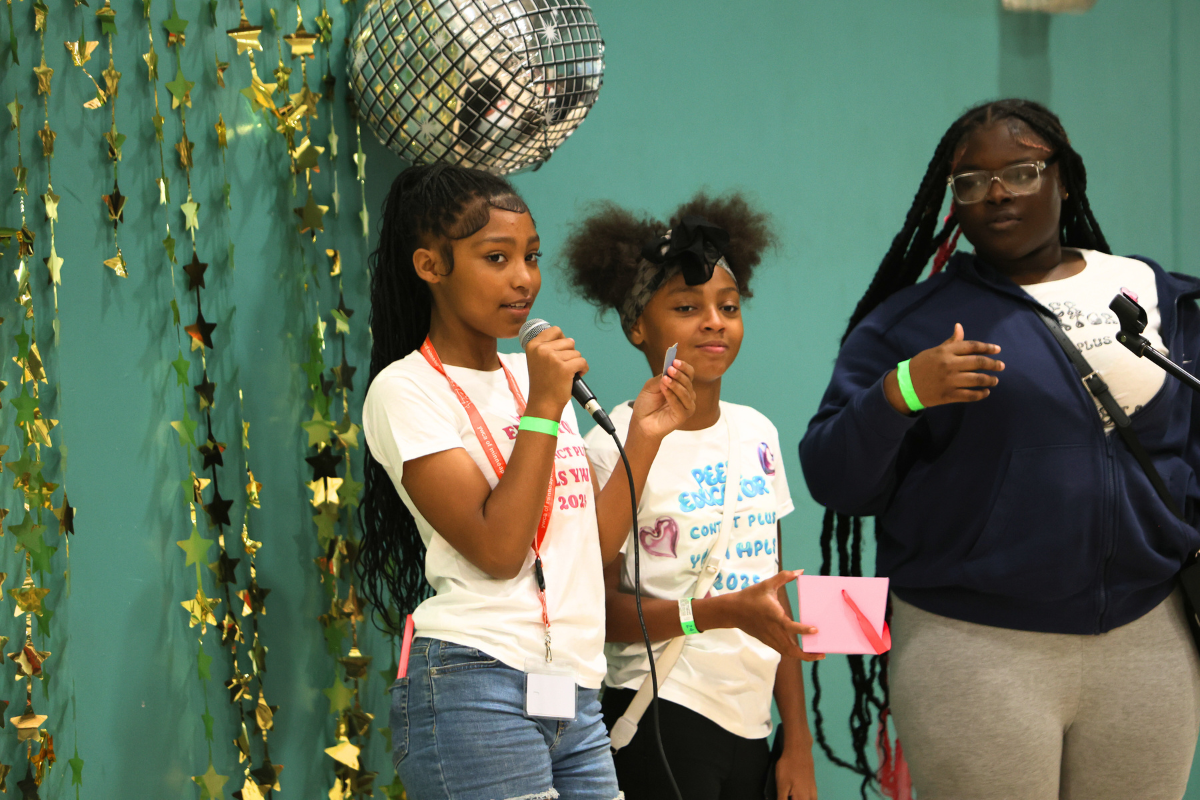


“I feel like I never knew I could be this confident in front of other people,” said Ellie, Contact Plus peer educator participant. “I’m social but not around people I don’t know, but this program felt comfortable around me.”
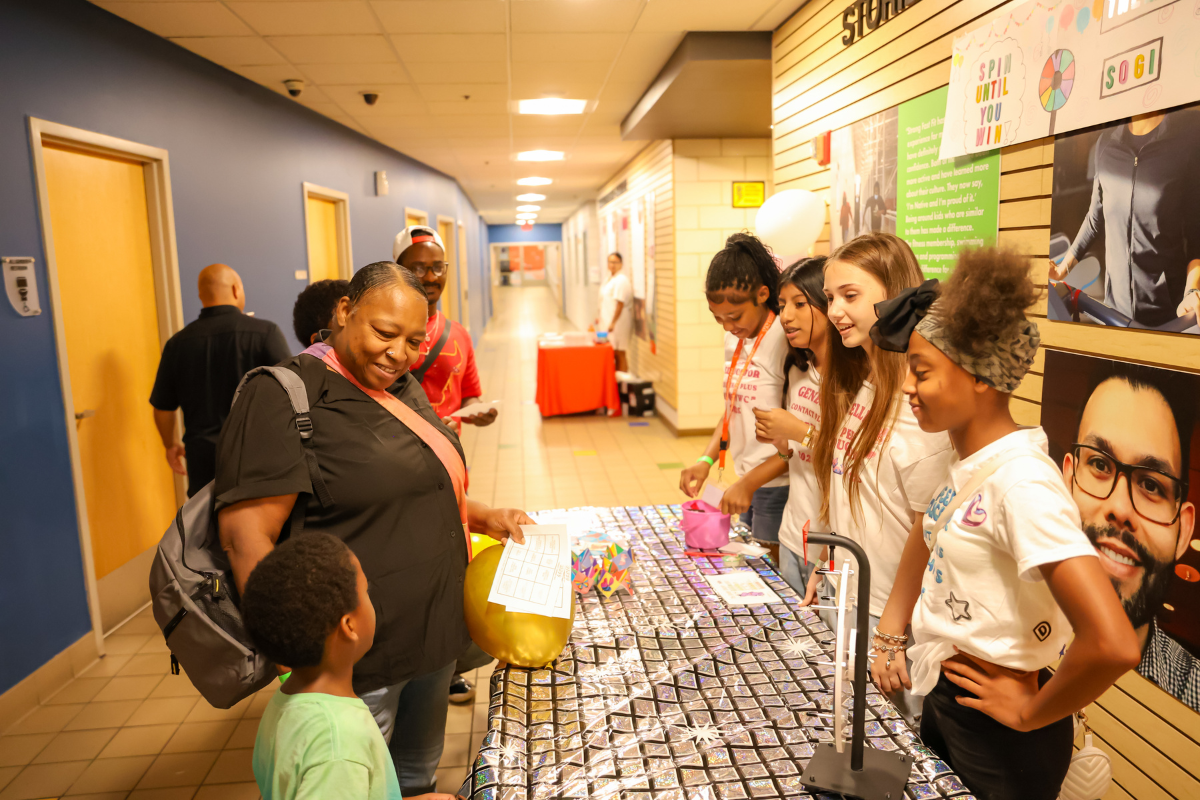
The camp closed with a joyful celebration. Families came together to hear what participants had learned, while youth proudly hosted a tabling event in the YWCA Midtown hallways—sharing resources and insights with staff, members and Strong Fast Fit youth.
“We hope that after this camp, youth are able to find confidence in themselves, find empathy for others, discover ways to solve conflict in healthy ways, support peers and call out injustice when they see it,” Syd said.
The pride on their faces said it all. They weren’t just students anymore—they were leaders.
About Contact Plus
For over 30 years, YWCA Minneapolis’s Contact Plus Program has partnered with schools across the metro to provide comprehensive, age-appropriate sexual health education for students in grades 4–12.
The goal is simple yet powerful: to help youth grow with confidence, make informed decisions about their health and relationships, and build brighter futures. Contact Plus does this through small group sessions, classroom education and one-on-one support.
Last year, Michelle—a Eureka! alum—joined 12 other youth from Girls Inc. programs across the U.S. and Canada on a trip to Washington, D.C. to advocate for comprehensive sexual health education. One powerful fact they shared with lawmakers: 78% of teenage girls reported knowing more about the anatomy of a frog than about their own bodies. That statistic drives home the fact that youth-centered, factual information is crucial.
Related: Contact Plus: Helping Youth Navigate Sexual Health, Consent and Relationships
By providing a safe and welcoming space to learn and explore, students are able to:
Explore identity, values and healthy relationships
Practice communication and boundary-setting skills
Gain knowledge to make informed, responsible choices
Build confidence in navigating real-life challenges
This foundation makes programs like the Peer Education Camp possible—giving young leaders the knowledge and support to guide others.
Gratitude
This journey wouldn’t have been possible without the passion and partnership of so many:
Health educators Dae and Chaleiah
Guest speakers Keem Anderson and Jae Bates
Ongoing support from YWCA staff Telae, Katie and Sigrid
“When youth have medically accurate sexual health knowledge, they can understand how their bodies can be healthy, which goes beyond a standard definition of health,” said Chaleiah, Contact Plus health educator. “This looks like understanding concepts such as anatomy, how to have healthy relationships or simply learning how to communicate boundaries in their relationships.”
Looking Ahead
Too many young people—especially in BIPOC and low-income communities—still lack access to the life-saving knowledge that comes with comprehensive sex education. That’s why peer educators are so powerful. They help ensure that accurate, inclusive and age-appropriate information reaches those who need it most.
“Currently, state lawmakers are developing new state standards for health education in school, including sex education. However, the current standards are poor,” explains Katie, YWCA Minneapolis vice president of girls and youth. “That’s why we advocate for comprehensive sex education that teaches about all aspects of human sexuality, such as anatomy, consent, sexual orientation, gender identity, relationships and more. This holistic, inclusive and medically accurate approach empowers young people to make informed decisions about their health, bodies and relationships.”
With your support, we can continue to amplify youth voices and shape communities grounded in respect, safety and shared responsibility.