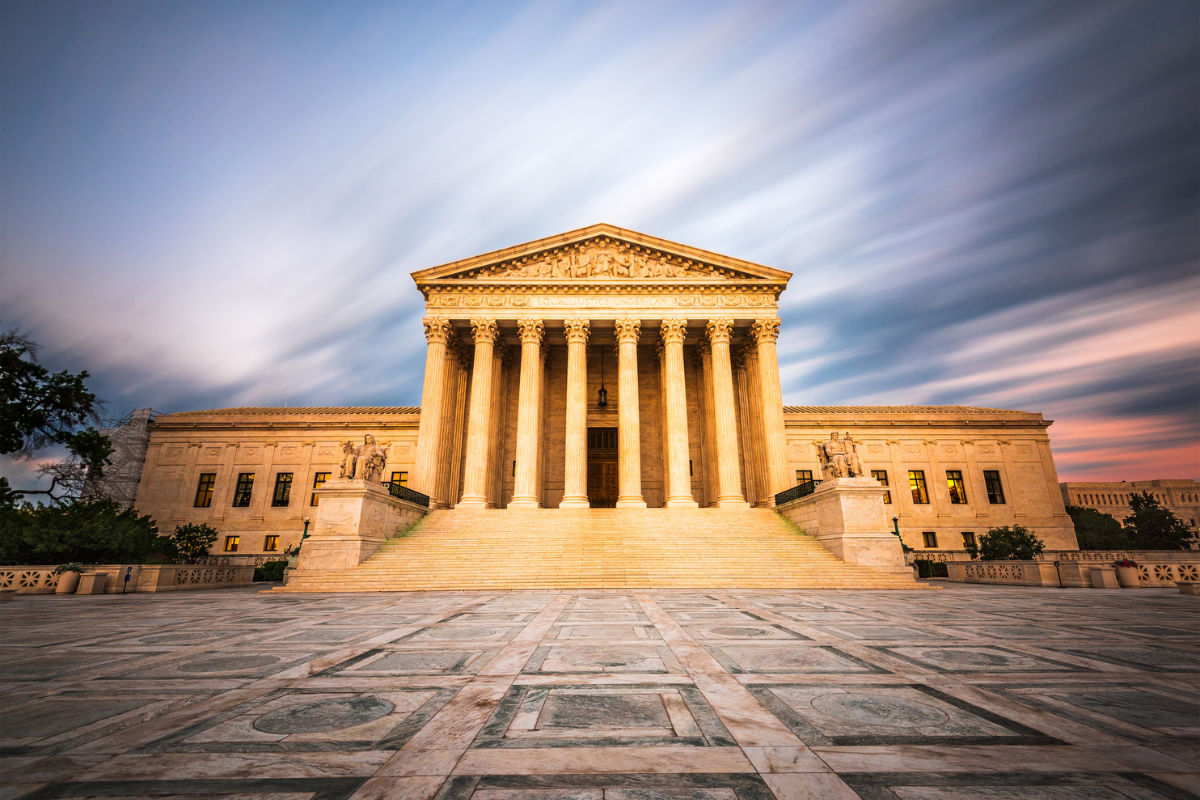
Earlier this month, the U.S. Supreme Court issued several decisions addressing citizenship, election administration and presidential authority over federal agencies. Together, these rulings could have implications for how federal and state governments operate and how policies are implemented in the years ahead.
Birthright Citizenship
The Court struck down an executive order that sought to end birthright citizenship for children born in the United States to parents who are in the country unlawfully or temporarily. The majority concluded that the order conflicts with the Citizenship Clause of the 14th Amendment, which guarantees citizenship to nearly all individuals born in the United States.
What it Means
The decision preserves the long-standing interpretation of the 14th Amendment's Citizenship Clause and maintains current citizenship policies for children born in the United States. The ruling reflects the majority's conclusion that changes to birthright citizenship cannot be made through executive action alone.
Learn more about the 14th Amendment and the Birthright Clause from the National Archives
Mail Ballots
In a 5-4 decision, the Court ruled that states may continue to count mail ballots postmarked on or before Election Day that arrive afterward, where state law permits. The decision allows states with those laws to continue their current practices.
What it Means
The ruling preserves existing election procedures in states that accept mail ballots arriving after Election Day if they are postmarked on time. Election administrators and voters in those states can continue to follow established processes ahead of future elections.
In Minnesota, absentee voting begins well before Election Day and allows eligible voters to cast ballots by mail during designated voting periods.
Learn more about federal agency oversight at the U.S. Government Accountability Office (GAO).
Federal Oversight of Independent Agencies
The Court ruled that the president has broad authority to remove leaders of many independent federal agencies, narrowing longstanding protections that had limited presidential removal authority. The decision could have significant implications for how independent agencies operate and their relationship with the executive branch.
What it Means
The ruling may give presidents greater influence over the leadership and direction of certain federal agencies. Supporters argue that increased presidential oversight can strengthen accountability within the executive branch, while critics contend it may reduce agency independence.
For organizations that interact with or receive funding from federal agencies, changes in agency leadership could result in shifts in administrative priorities, regulatory approaches and program implementation across presidential administrations.
Looking Ahead
As courts, agencies and policymakers interpret and implement these decisions, their full impact will become clearer. Understanding major court decisions and their implications can help individuals and organizations stay informed about developments in public policy and governance.