Thank you to everyone in the YWCA Minneapolis Women’s Triathlon community who took the time to share feedback following this year’s race. Your perspectives are an important part of our annual planning process, helping our team recognize what worked well, identify opportunities for improvement and continue creating a race experience that reflects our community's values.
Every year, we ask participants to complete our post-race tri survey so we can better understand what's working and where we can improve. We read every response and analyze the data and feedback to look for trends. Your perspective, along with reports from staff, volunteers and other partners, helps us provide the best experience possible.
What We Learned from This Year's Tri Survey:
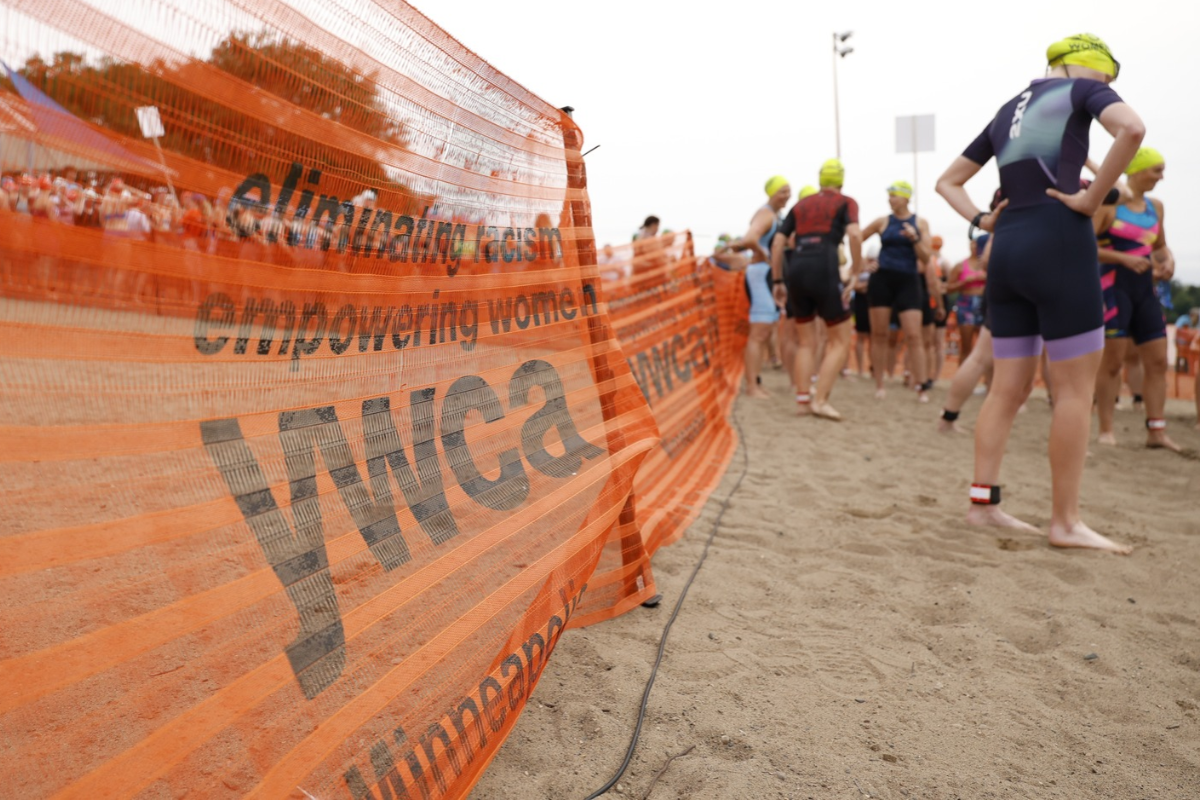
Participants Didn't Like Waiting on the Beach
The top complaint we heard was regarding the time spent on the beach. We understand that waiting on the beach was frustrating, especially after months of training and preparation. Unfortunately, this year, there were three separate safety concerns that caused delays before and early in the race.
"Sometimes fatal mistakes occur because race directors start the race before you get green lights across the board," Zest said. "Our protocols are thoroughly thought out and based on industry standards. We always err on the side of caution."
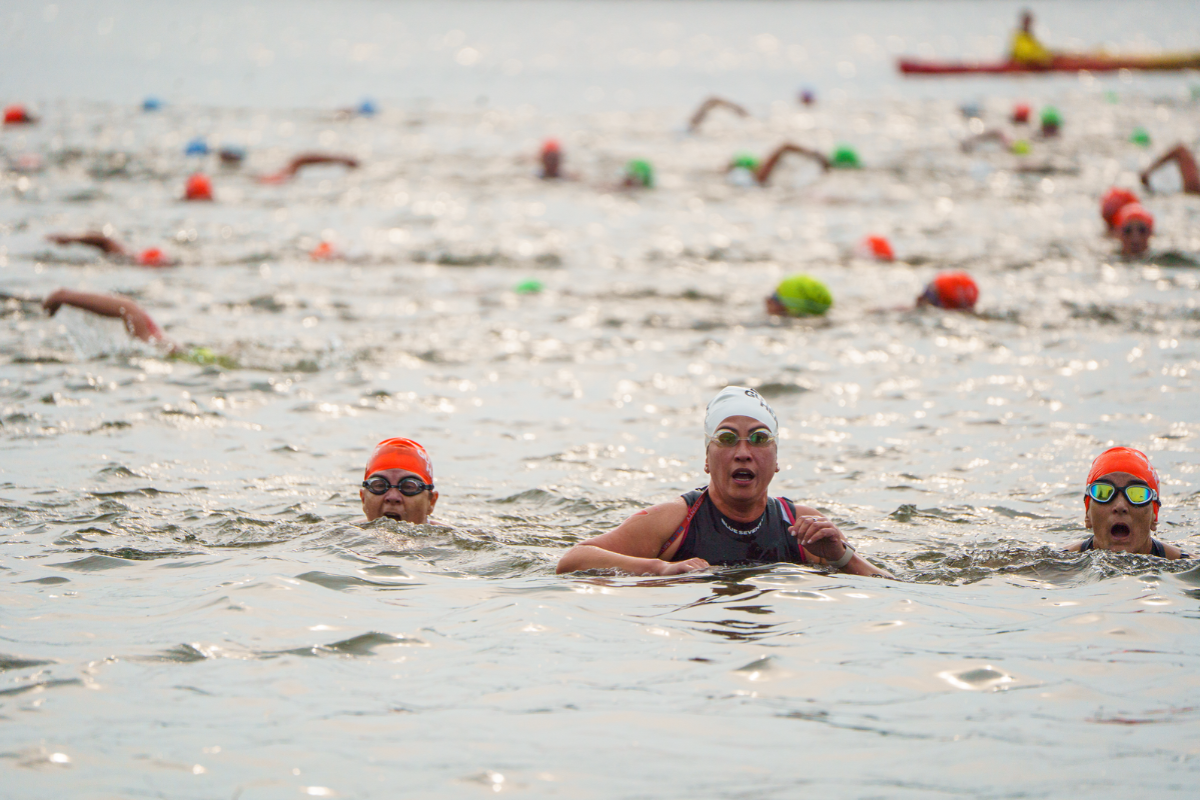
The delays also connect to another key takeaway from the tri survey: safety is participants' number one concern. One of the most challenging aspects of water safety is that concerns often require immediate action. When a safety issue arises, race officials must stop activity, assess the situation and account for all athletes before the race can safely continue.
We are sorry for the delays this year, but please know that behind the scenes our race staff and volunteers are working very hard to keep everyone safe.
Post-Race Food Options Fell Short
We also received a lot of feedback on the food options after the race. We're sorry so many of you had a negative experience trying to refuel. We know we fell short in this regard, and we're working to make it better.
Part of this was out of our control. One scheduled food truck did not arrive, placing additional demand on the remaining vendors and contributing to longer lines. We recognize the impact this had on participants and will use this experience to strengthen vendor coordination and post-race food planning.
We also heard requests for a wider variety of food options, including choices that accommodate different dietary needs. We aim to provide diverse options that meet a variety of dietary needs, while working within the confines of our city permit.
We're mindful of environmental impacts and all food options must pass health inspections and meet health regulations. We appreciate the feedback, and we will continue to look for food options that are culturally inclusive and align with our mission and values.
Split Feelings on the Post-Race Celebration
Another recurring theme in the tri survey, and feedback we frequently hear on site, is that racers would like to get their bikes out of transition earlier.
Our goal is for the post-race celebration to be something participants want to stay and enjoy. An important part of YWCA Minneapolis Women's Triathlon is recognizing every athlete's achievement, including those who cross the finish line last. We strive to create an environment where every participant feels supported and celebrated.
We also recognize that participants have different post-race needs, and we’re exploring ways to balance a meaningful celebration with more flexibility around transition access and departure.
The tri survey indicated mixed feelings towards live music. Some participants loved it, others did not. We're working to create a post-race ceremony that appeals to the largest group of participants possible, so that you have an enjoyable time waiting for the final participants.
Safety Concerns Match National Trends
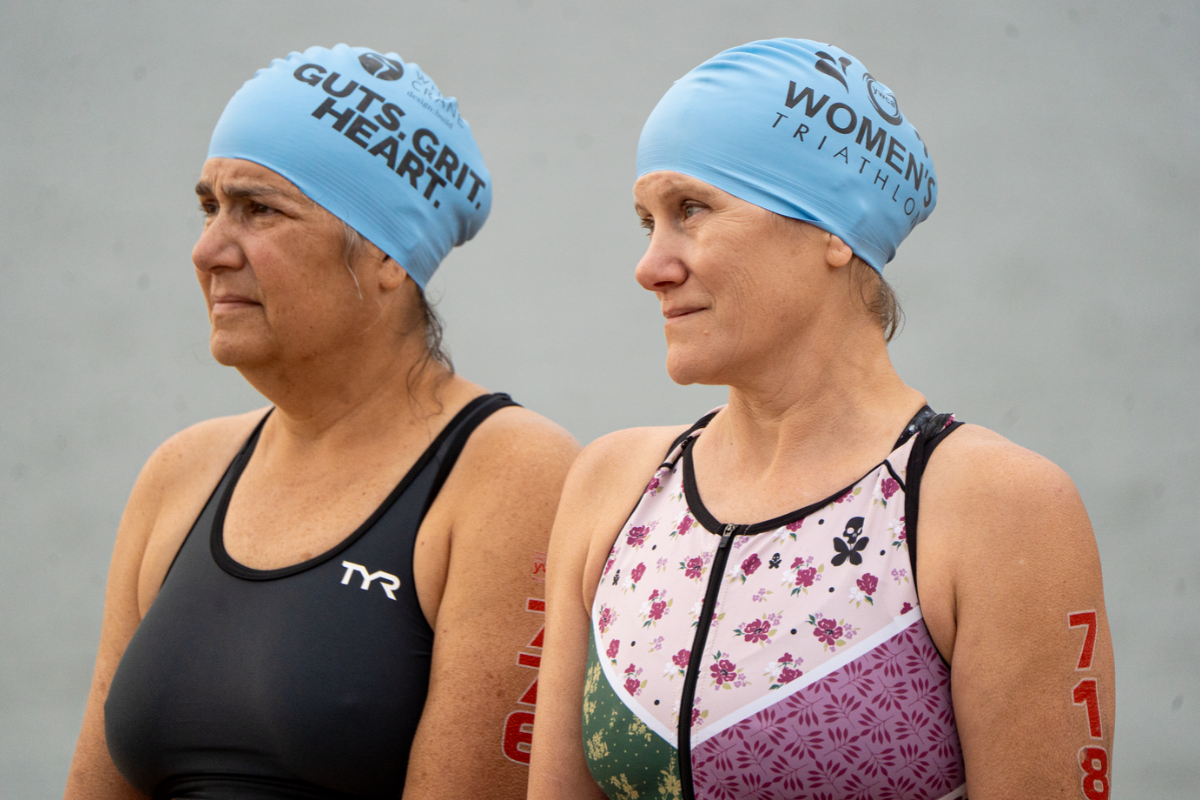
A recurring theme from the tri survey matches national triathlon industry polls: safety is the number one concern. Many of you mentioned congestion in the swim and bike legs as concerns. We are constantly balancing the benefits and risks of how to start racers.
Starting racers close together increases body contact and congestion but also reduces time standing on the beach and speeds up the event’s overall finish time. Spreading out the start decreases congestion but increases the length of time athletes and volunteers are exposed to the elements as well as making supporting the last racers more challenging.
On the bike course, there are rules against drafting and blocking and points where passing are hazardous. Additional volunteers help us provide more course coverage and reinforce race rules and safety reminders throughout the course.
One way you could help is to encourage your network to volunteer on the bike course.
Additional volunteers help increase course coverage and support participant safety throughout the event. If someone in your support network would like to get involved, volunteering on the bike course is one meaningful way to contribute to the race experience.
Safety is a team effort between our staff, volunteers, and you, the participants.
Some Things Are Beyond Our Control: Air, Water and City Permits
We received a number of comments about aquatic vegetation in Lake Nokomis. Because the race takes place in a natural lake environment, some seasonal weed growth is unavoidable. The city works with event organizers to manage vegetation in designated areas, but it cannot be eliminated entirely.
In the past, we've had issues with water bacteria and air quality. As proud as we are of YWCA Minneapolis Women's Triathlon, we're not experts on the health and safety conditions of bacteria, algae or air quality.
"There is no level that's perfectly safe," Zest said. "We work with the city, and must meet certain quality thresholds as part of our permit. Based on their expert testing, we adjust the race parameters as needed to provide a safe event."
Several racers also requested an earlier start for the music. Everyone is on-site early, so why can't we vibe? Well, our permit with the city does not allow projected sound or music until 8 am. That's why the opening remarks start promptly at eight.
Looking To Next Year: Prepare for the Unexpected
Live events are inherently unpredictable. The last couple of years we've been lucky to have ideal weather, but that won't always be the case. Minnesota weather can be unpredictable, and preparing for a range of race-day conditions is an important part of training.
Some athletes may not be comfortable swimming, biking or running in rainy or windy conditions. While each athlete's training approach is different, race organizers have a range of contingency options available on race day, including delays, modified courses and, in some circumstances, removing portions of the event. View the race guide for more information on contingencies.
One way you can help prepare for potential adverse weather is to take part in our YWCA Minneapolis triathlon training classes. We host the classes in all weather conditions, and it's a helpful way to practice in less-than-ideal situations.
"There are a number of situations that can make an athlete uncomfortable," Zest said. "We see everyone from elite athletes to 84-year-old women in our event. We offer DNF options; each person needs to decide for themselves whether and how to engage with the event and determine what is an appropriate challenge."
The tri survey remains one of the most important planning tools for our team. Your feedback helps us evaluate safety procedures, participant amenities and overall race operations so we can continue improving the event year after year. Thank you for helping make YWCA Minneapolis Women's Triathlon stronger.
YWCA Minneapolis Women's Triathlon is scheduled for Sunday, Aug. 8 at Lake Nokomis. Register Today.