Showing Up for Youth When It Matters Most
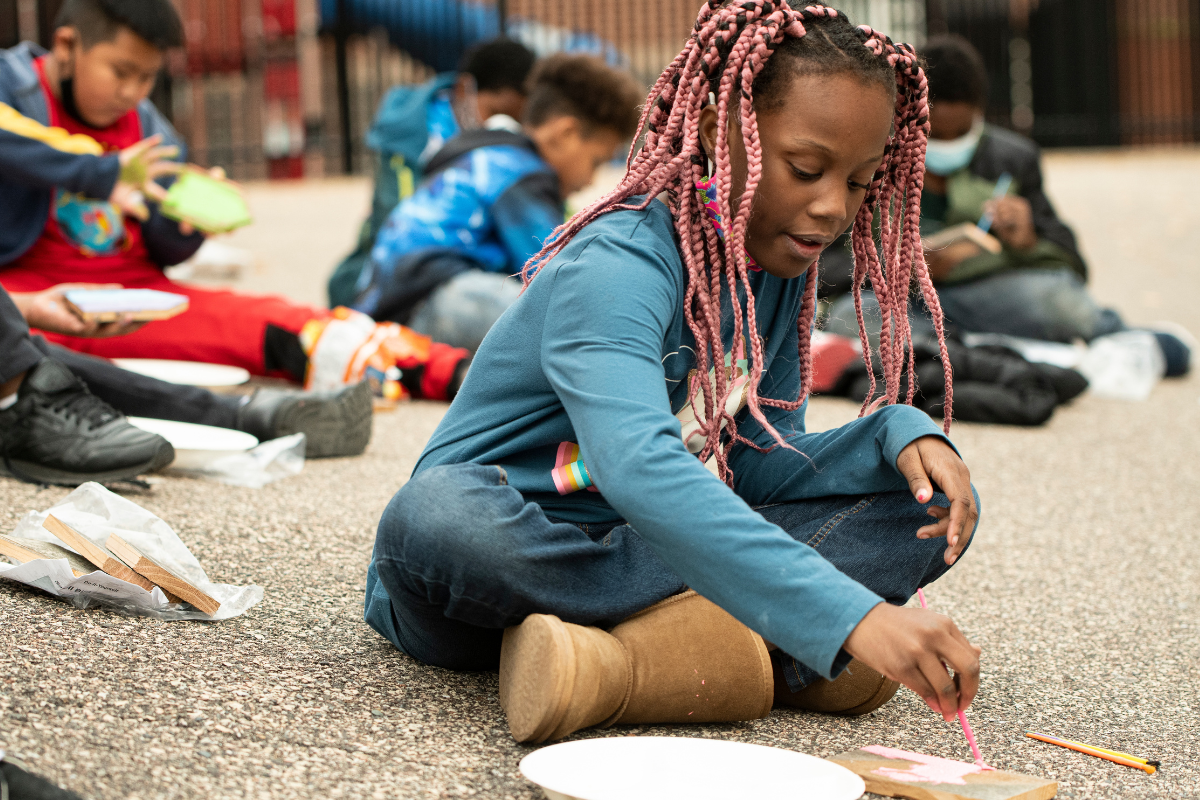
Earlier this year, sweeping immigration enforcement activity across Minnesota disrupted the daily lives of many families. For youth, the sudden changes meant missed school days, canceled activities and uncertainty about what would happen next.
As one of the largest out-of-school-time (OST) program providers in Minneapolis, YWCA Minneapolis moved quickly to ensure young people still had safe, stable spaces to learn, connect and be kids. When routines were disrupted, our programs became a lifeline.
It was an unsettling time for many families, and kids were especially vulnerable. Some of our OST sites are just blocks away from where Renee Good and Alex Pretti were killed. Many of the youth in our programs also come from communities specifically targeted by immigration enforcement activities.
Our mission to eliminate racism and empower women and girls guides how we respond in moments like these. When youth face barriers to safety, education and belonging, we adapt our programs to ensure they continue to have spaces where they are seen, supported and able to thrive.
Early in the surge of federal immigration enforcement, federal officials had a violent clash at a local high school. In response, many schools switched to eLearning to protect vulnerable communities.
“It’s tough, because lots of kids are missing school,” said Katie Rehani, vice president of girls and youth at YWCA Minneapolis. Rehani has more than 18 years of experience leading youth programming in urban and rural communities in the U.S. and abroad. “Missing the academics is one thing, but many youth are also in school for safety and nutrition. For some, missing school means missing meals.”
When Youth Can’t Access Programming
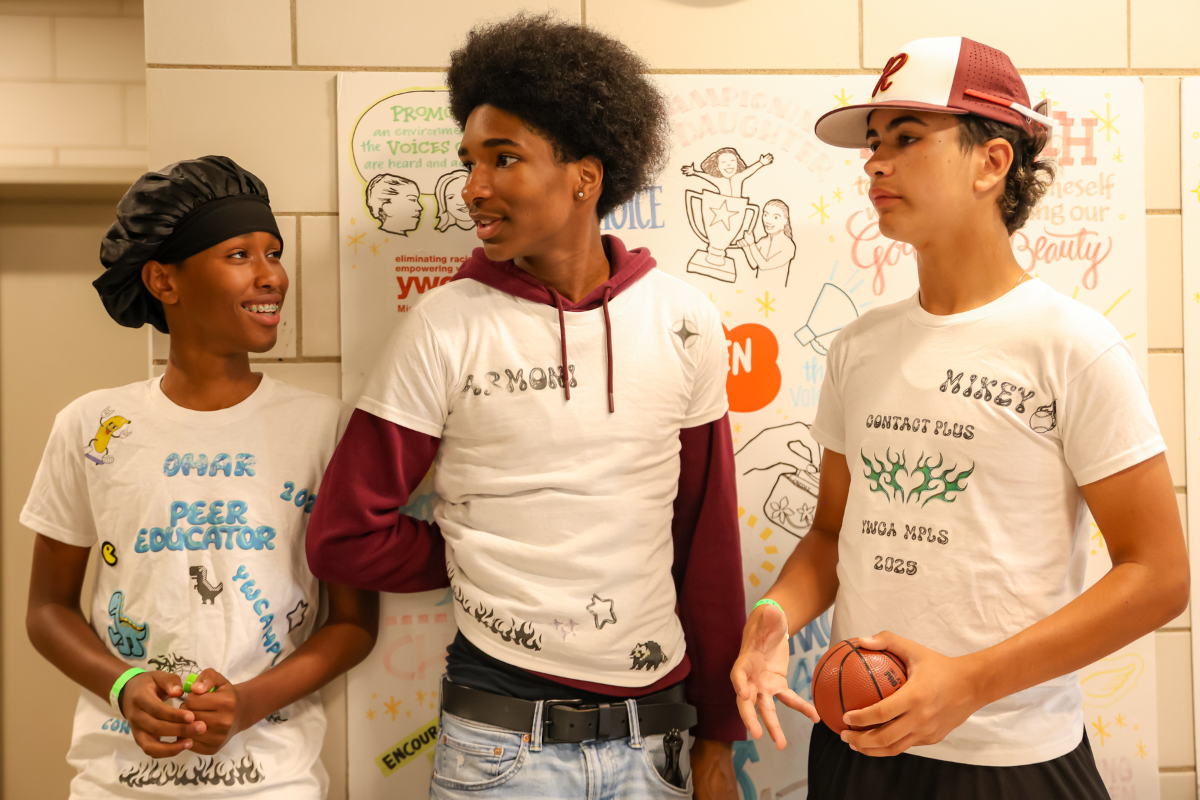
Published research shows OST programs can have a positive impact on youth outcomes, including academic achievement and social-emotional development. As powerful as those outcomes are, significant challenges remain, including systemic inequities in access, inconsistent program quality and staff turnover.
Rehani noted that current events have increased the difficulty of overcoming accessibility challenges. She related how in one case, a youth couldn’t attend programming because their parent was afraid to leave the house.
“Being a young person can be chaotic. You’re going through so much change and growth,” Rehani said. “One of the best things you can do for young people is meet their basic needs. If you take them out of a routine, their focus shifts to, ‘am I safe’ or ‘do I have food?’”
To understand how YWCA Minneapolis overcame the challenges posed by recent turmoil, it’s helpful to examine the scope of our youth programming. Last year, we served 1,342 youth at 24 locations. Of those youth, 89 percent are from low-income households and 63 percent identify as females.
In addition, 44 percent of participants are African American, 10 percent are Latinx, eight percent are Asian and eight percent are multi-race.
Program managers across YWCA Minneapolis worked closely with schools and families to adapt programming in real time. As more students stayed home due to safety concerns, Franklin Middle School Beacons Program Manager Aisha Wright helped provide virtual offerings.
Wright focused on being present for students, being a resource when they needed to talk and providing support whether the student was in person or online. She was impressed by the students’ resilience. “When they came back, it’s like they didn’t miss a beat,” Wright said. “A lot of the questions students had were around safety, and our procedures with law enforcement.”
In some programs, participation dropped to just two students. For other participants, programming remained consistent but security increased.
“Our facilitators adjusted by offering more hands-on activities,” said Claire Allen, a YWCA Minneapolis youth program manager. “These allow for more organic conversations between facilitators and students, giving youth a choice to talk about what’s happening or escape from it.”
In addition to OST programming, YWCA Minneapolis also offers youth programming at YWCA Midtown and at community partners in the Twin Cities. Telae, girls and youth program manager, shared that participation was down 25-30 percent in some programs.
“Families are afraid. We had to be much more proactive with communication,” Telae said. “For one program, our coordinator was reaching out to families, asking what we could do to help and sharing resources. We adjusted attendance policies and tightened pickup and dropoff procedures to keep youth safe.”
Youth Stepping Up in Time of Crisis
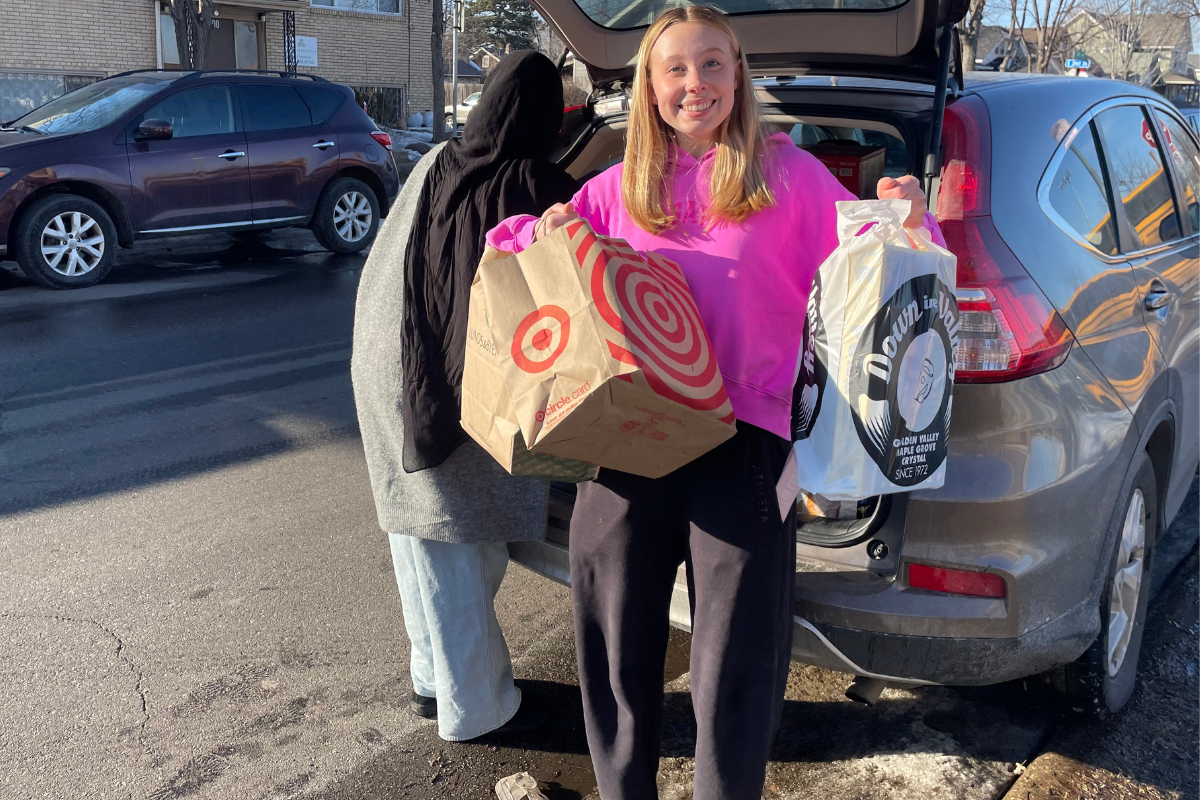
Program leaders weren’t the only ones to step up in response to the surge in immigration activity. Participants in the Youth in Action program were creating a resource closet at their school. They were going to collect everyday and personal care items for peers in need.
As events unfolded in January, the group shifted its focus. They organized a donation drive but decided to allocate the items to peers who couldn’t attend school. They collected and organized items at YWCA Midtown. So far, the group has collected over five carloads of items. Another program put together care packages for families with students who are unable to attend school.
These actions demonstrate the impact of youth programming. These thoughtful youth planned activities, collected resources and played an active role in helping their peers navigate difficult times.
Shouldering the Mental Burden
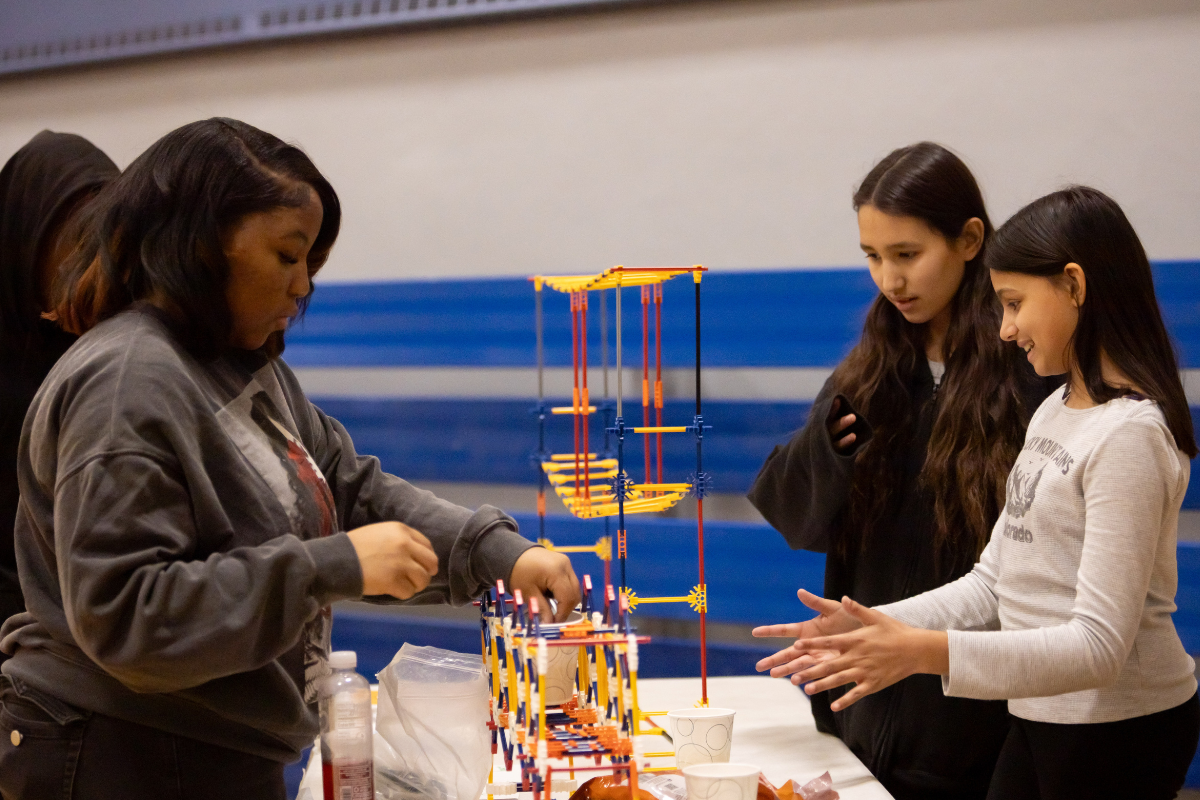
Supporting youth during this period also meant protecting the mental health of program leaders.
“Youth programming can be a powerful response in times of instability. It’s a way to show youth they are not alone,” Rehani said. “For those of us in the field, it’s a tangible thing we can do to put our values into action.”
Effective youth programming relies on actively engaged youth participating in activities and group discussions. That engagement typically evolves over the course of a school year, growing as youth grow more confident in their voices.
Throughout the surge in enforcement activities, we continued offering all scheduled programming. At some settings, sessions ran with minimal interruptions. At others, groups were half or less of their original size.
“If you are planning programming for 45 minutes, there’s a big difference between having eight kids interact versus having three,” Rehani said. “Many of these groups formed early in the school year, and there is a lot of programming that goes on between January and May. Groups have developed norms; youth have practiced interacting with each other. When someone steps out of that setting, it is a process to reintegrate them into the group.”
Telae and other leaders worked to model proactive behavior and check in with staff. “Protecting staff’s mental health has been one of the biggest challenges,” Telae said. “We’re trying to find the balance between being compassionate and understanding that we have to show up for the job. We’ve been working on emotional regulation and creating spaces to share, check in and talk about our feelings.”
Showing Up Today and in the Future
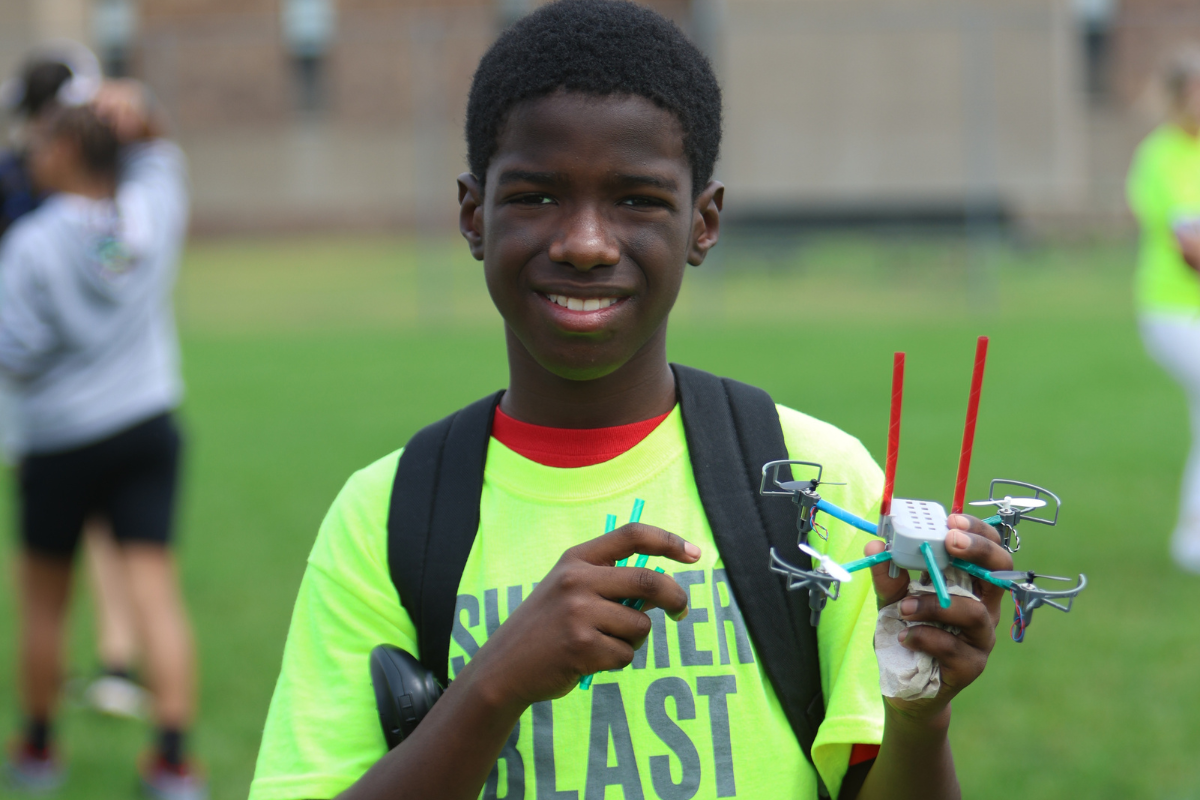
For 135 years, YWCA Minneapolis has adapted to meet the evolving needs of our community. Moments of uncertainty only strengthen our commitment to ensuring every young person has access to safety, support and opportunity.
“One thing that gave me hope was watching the large-scale response from our community,” Rehani said. “We need to recognize that it takes all of us to raise the kids in our community. I hope we can maintain that momentum of people showing up for our local schools, for the people on our block and the communities that we are a part of.”
When youth have consistent spaces where they feel valued and heard, they are better equipped to navigate challenges and shape their futures. Our community plays an important role in sustaining these spaces, today and in the years ahead.
If you want to support youth during times like these, you can make a difference through volunteering, partnership or financial support.